
Santa Maria Storm Damage
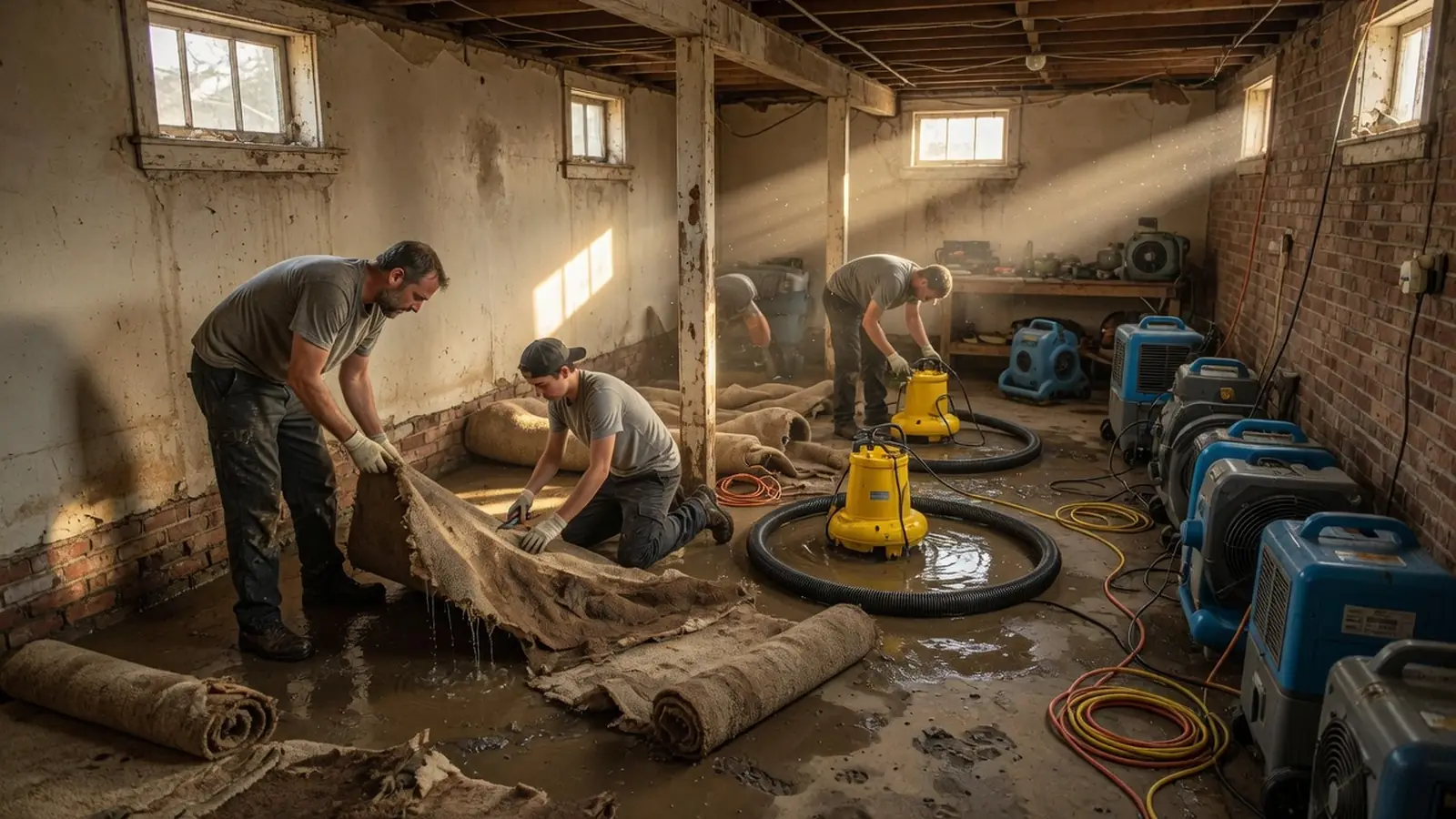
Heavy storm winds driving rain through roof penetrations cause ceiling drywall to sag and fill with water, presenting immediate structural collapse concerns. Our rapid response crews deploy heavy-duty extraction pumps, thermal inspection tools, and commercial drying equipment to stabilize your home immediately. We safeguard your structural envelope and halt progressive water decay from day one.
Call (805) 555-0163 if you're standing in it.
Prefer to talk? (805) 555-0163
Dedicated Storm Restoration Professionals
Our certified restoration technicians have spent years mitigating severe weather impacts across the coastal valleys near Orcutt and the surrounding dunes.
Across the 29,860 housing units on record in the Census ACS 5-year estimates, aging properties require specialized moisture remediation protocols.
The median owner-occupied home locally was built in 1981 (Census ACS 5-year), meaning many roofs and crawl spaces feature aging structural materials vulnerable to coastal winter storms.
Cool coastal humidity creates prolonged damp indoor conditions where unaddressed plumbing leaks can cultivate active mold colonies within 24 to 48 hours.
When severe weather strikes, our technicians provide emergency water damage restoration for flooded residential properties to halt ongoing damage.
We recently extracted three hundred gallons of rainwater from an undermined foundation by combining high-capacity submersible pumps with deep-cavity drying injectidry systems.
Every project concludes with comprehensive thermal imaging inspections and thorough sanitization to confirm framing reaches dry standard baselines.
We work directly with property owners and insurance carriers to ensure recovery documentation remains transparent from the initial call to final sign-off.
Step-by-Step Storm Damage Remediation
From initial emergency dispatch through complete structural drying, our methodical process prevents secondary decay and protects property value. See how we remove standing crawl space water before structural framing suffers lasting rot.
- Immediate Hazard Assessment. We perform immediate hazard assessments and structural moisture mapping across the property. As homeowners often describe, residents in low-lying coastal regions monitor rising creeks and seek drainage safeguards and sandbag barriers to protect vulnerable home foundations before winter storms arrive.
- Water Extraction & Removal. Technicians deploy truck-mounted extractors and submersible pumps to eliminate pooling floodwater rapidly. A pattern echoed in public discussions is that power loss or mechanical failure of crawl space sump pumps during severe storms results in flooded subfloors and contaminated wet insulation requiring urgent removal.
- Moisture Mapping & Cavity Drying. Our drying specialists track hidden moisture pathways across walls and ceilings using calibrated diagnostic equipment. During severe storms, severe horizontal rain forces moisture past exterior stucco and window assemblies, leaving interior pooling along baseboards with unconfirmed points of water entry.
- Antimicrobial Treatment & Verification. We verify target dry baselines and treat framing with botanical antimicrobial solutions. Homeowners frequently observe dark spotting and fungal growth on crawl space framing, leading them to question whether the issue is cosmetic surface mildew or progressive structural wood decay.
Our Structural Preservation Promise
We adhere to strict IICRC S500 restoration standards, utilizing calibrated moisture meters and commercial dehumidifiers on every project. Hail activity around the valley is uneven year to year: 2023 logged 1 radar signatures while 2021 logged only 0, a 1.0x spread, making variable storm impacts difficult for homeowners to predict without professional inspection. We back our structural drying protocols with complete documentation, and homeowners can find out more about certified mold remediation when lingering dampness threatens indoor air quality.
Emergency Water Extraction
High-capacity submersible pumps and truck-mounted vacuum units quickly remove standing flood water from basements, crawl spaces, and living areas. Immediate extraction stabilizes the structure and halts the spread of moisture into dry framing.
Structural Drying & Dehumidification
Industrial low-grain refrigerant dehumidifiers and high-velocity axial air movers eliminate trapped moisture from subfloors, wall cavities, and ceiling joists. Daily moisture mapping ensures building materials reach dry standard baselines.
Storm Envelope Stabilization
Temporary emergency tarping and window boarding protect breached building envelopes from recurring wind-driven rain. Securing exterior points of entry prevents cascading structural damage while interior mitigation takes place.
Dedicated Storm Restoration Standards
Our emergency mitigation teams combine rapid extraction equipment, calibrated thermal imaging, and continuous dehumidification to stabilize water-damaged properties quickly. We prioritize structural preservation and clear communication during every phase of recovery.
- 10Zip Codes Served
- 5Service Areas
- 3Services Offered
Real local property owners share their firsthand experiences navigating urgent storm cleanup and structural drying with our restoration specialists.
“Severe gale winds blocked our driveway with fallen branches during the storm. The crew safely cleared access equipment and worked late into the night to extract all standing water from our living room before subfloors warped. Their quick recovery kept the entire restoration timeline right on schedule.”
Carlos M.
“Our elderly mother uses a walker, so having noisy drying equipment was a major concern. The team carefully routed every power cord along baseboards and positioned air scrubbers to keep her hallway clear and safe. They treated her with immense courtesy while thoroughly drying out our water-damaged walls.”
Brenda T.
“Another contractor offered a lowball estimate that completely skipped moisture testing behind our wall panels. This company showed us the hidden pockets of moisture trapped under the floorboards and explained exactly why full extraction was vital. Choosing them saved us from having to rebuild the entire foundation framing months down the road.”
Darren K.
“Navigating local municipal drainage rules and moisture mitigation compliance felt overwhelming after the flash flood. The crew documented every moisture reading accurately and coordinated directly with the local building inspector on the first try. Their thorough paperwork made the structural sign-off completely seamless.”
Elena R.
Frequently Asked Questions
How quickly should storm water extraction begin in our coastal climate?
Storm water extraction must start within twenty-four hours to stop mold colonies from colonizing damp wall cavities and subfloors. Given the cool coastal humidity in our valley, prolonged dampness accelerates spore germination on drywall, baseboards, and structural timbers.
Does homeowners insurance cover storm damage from wind-driven rain?
Most property insurance policies cover sudden wind-driven storm damage to roofs and walls, but flood water requires separate policy endorsements. Our technicians document all moisture readings, photograph damage, and work alongside insurance adjusters to assist in your claims verification.
How do you identify hidden water entry points behind exterior stucco?
Technicians use non-invasive moisture meters and thermal imaging cameras to track hidden moisture tracking behind stucco and window assemblies. Severe horizontal winds frequently push moisture past exterior cladding without visible drywall staining, making diagnostic thermal scans essential.
What happens if subfloor insulation remains wet after a storm?
Wet subfloor insulation traps stagnant moisture against wooden floor joists, accelerating microbial growth and threatening structural decay. Saturated batts lose their R-value completely and must be removed promptly to allow crawl space floor framing to be cleaned, treated, and dried.
How long does the structural drying process take after storm intrusion?
Thorough structural drying typically requires three to five days of continuous commercial dehumidification and high-velocity air movement. Technicians monitor daily psychrometric readings to verify that wooden framing and structural subfloors return to established baseline dry standards.